About All ToursPrivate ToursSafari ToursJeep ToursFull Day ToursMasai Mara Tours Directions Hours & Fees Guides
Find Tours 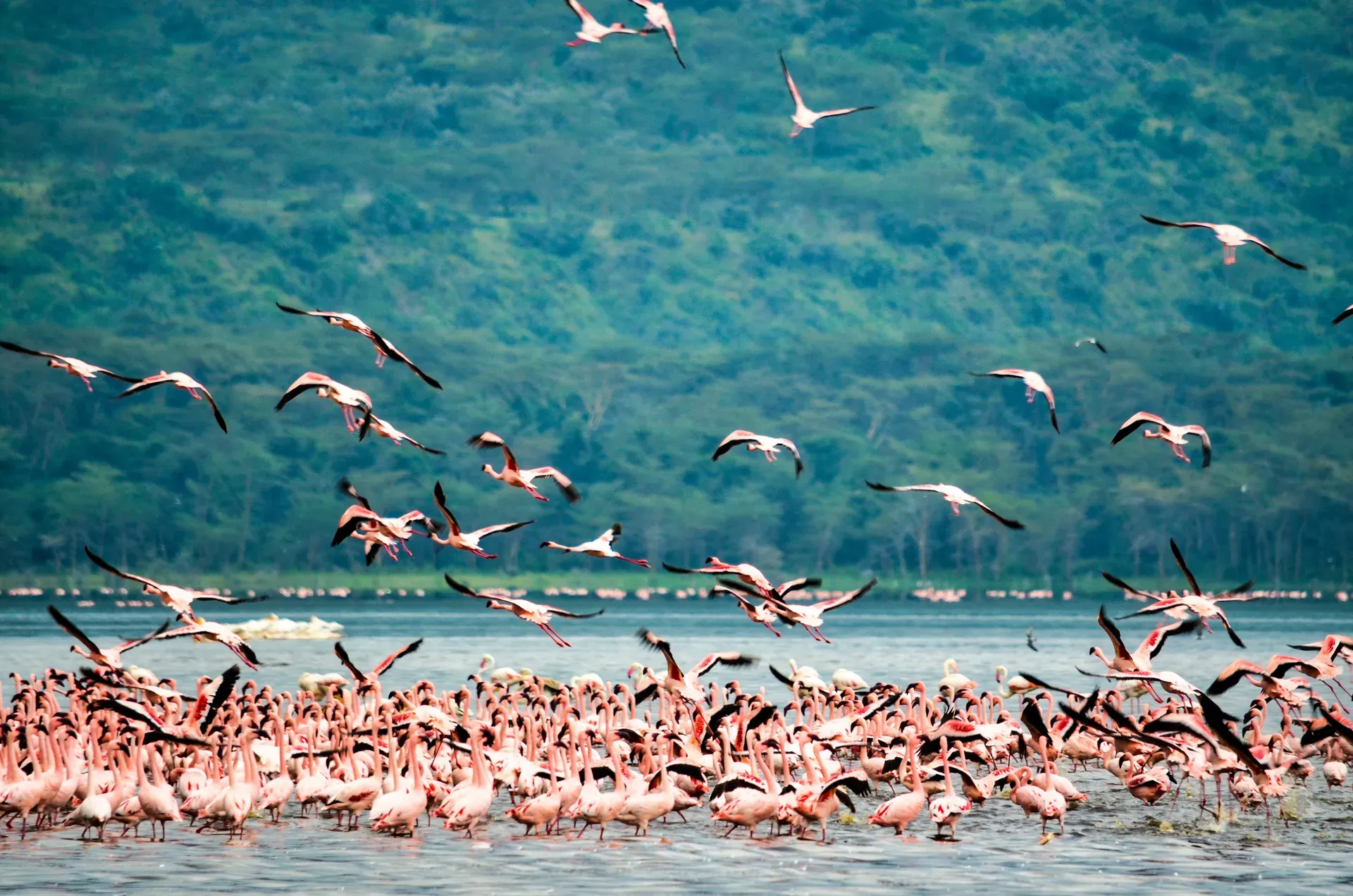
Compare Lake Nakuru safari tours from Nairobi, ranging from an $90 full-day group game drive to multi-day small-group trips that combine the park with the Masai Mara, Lake Naivasha, and Amboseli. Most tours include hotel pickup, meals, and transport in a pop-roof 4x4 Land Cruiser.
 Free Cancellation
5-day small-group budget safari covering Masai Mara, Lake Nakuru, Lake Naivasha and Hell's Gate.
 Free Cancellation
Seven-day small-group safari (max 8) covering Maasai Mara, Nakuru, Naivasha and Amboseli, with free airport pickup.
 Free Cancellation
Full-day Lake Nakuru safari from Nairobi with game drive, waterfall and viewpoint stops, plus optional Naivasha boat trip.
 Free Cancellation
Full-day private road trip from Nairobi to Lake Nakuru park with game drives, picnic lunch and Baboon Cliff stop.
 Free Cancellation
12-hour private road trip from Nairobi: Rift Valley viewpoint, Lake Nakuru game drive, Baboon Cliff, hotel pickup and drop-off.
 Free Cancellation
4-day budget tour from Nairobi to Masai Mara and Lake Nakuru, with daily game drives in a pop-up-roof Land Cruiser.

Two-day private Lake Nakuru safari with all meals, overnight stay, and pickup from your accommodation.
 Free Cancellation
Budget group day safari to Lake Nakuru NP, 6am to 6pm, with a stop at Makalia Falls.
Read what travelers share about their experience visiting Lake Nakuru — from practical tips to personal highlights.
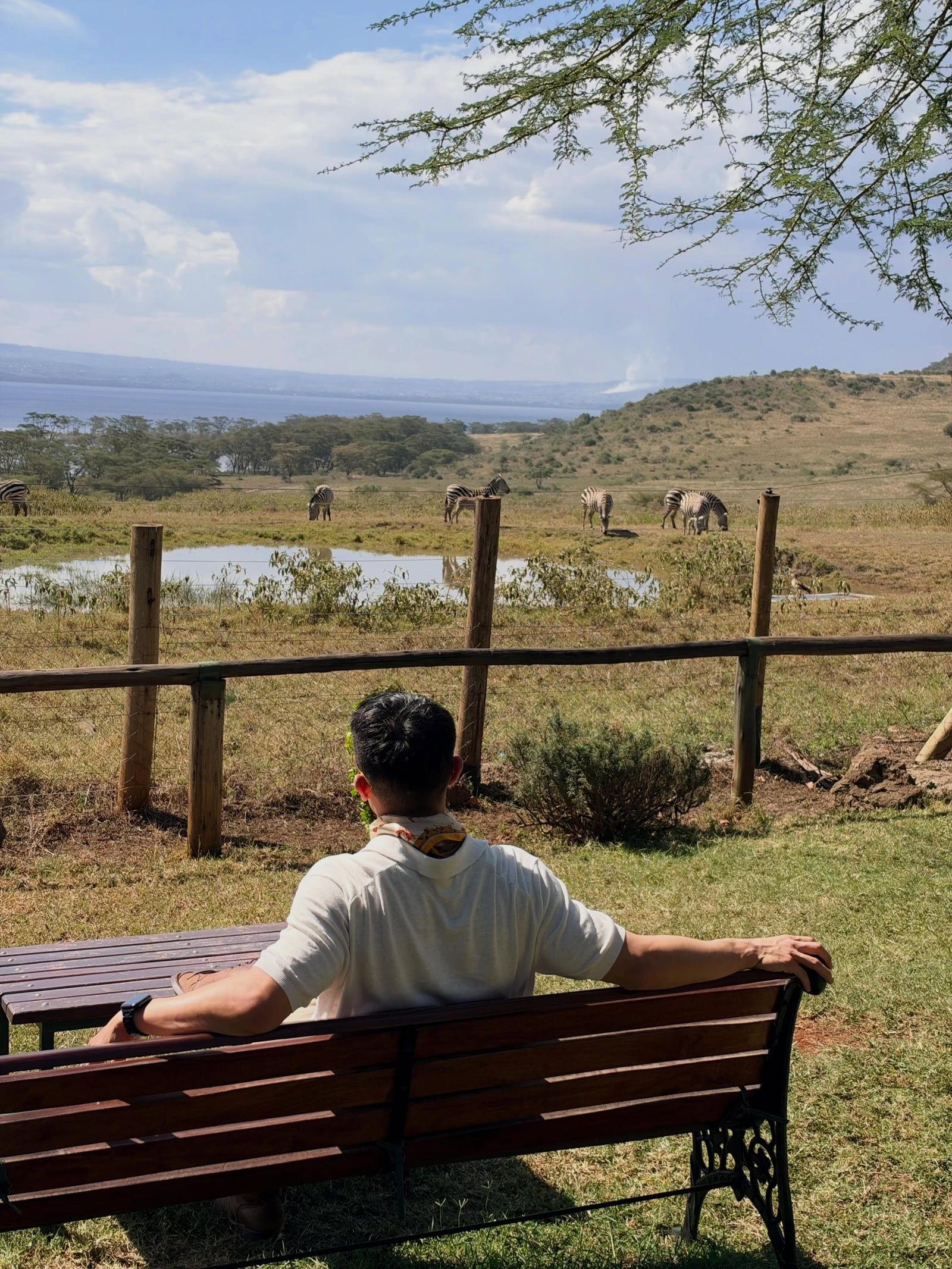
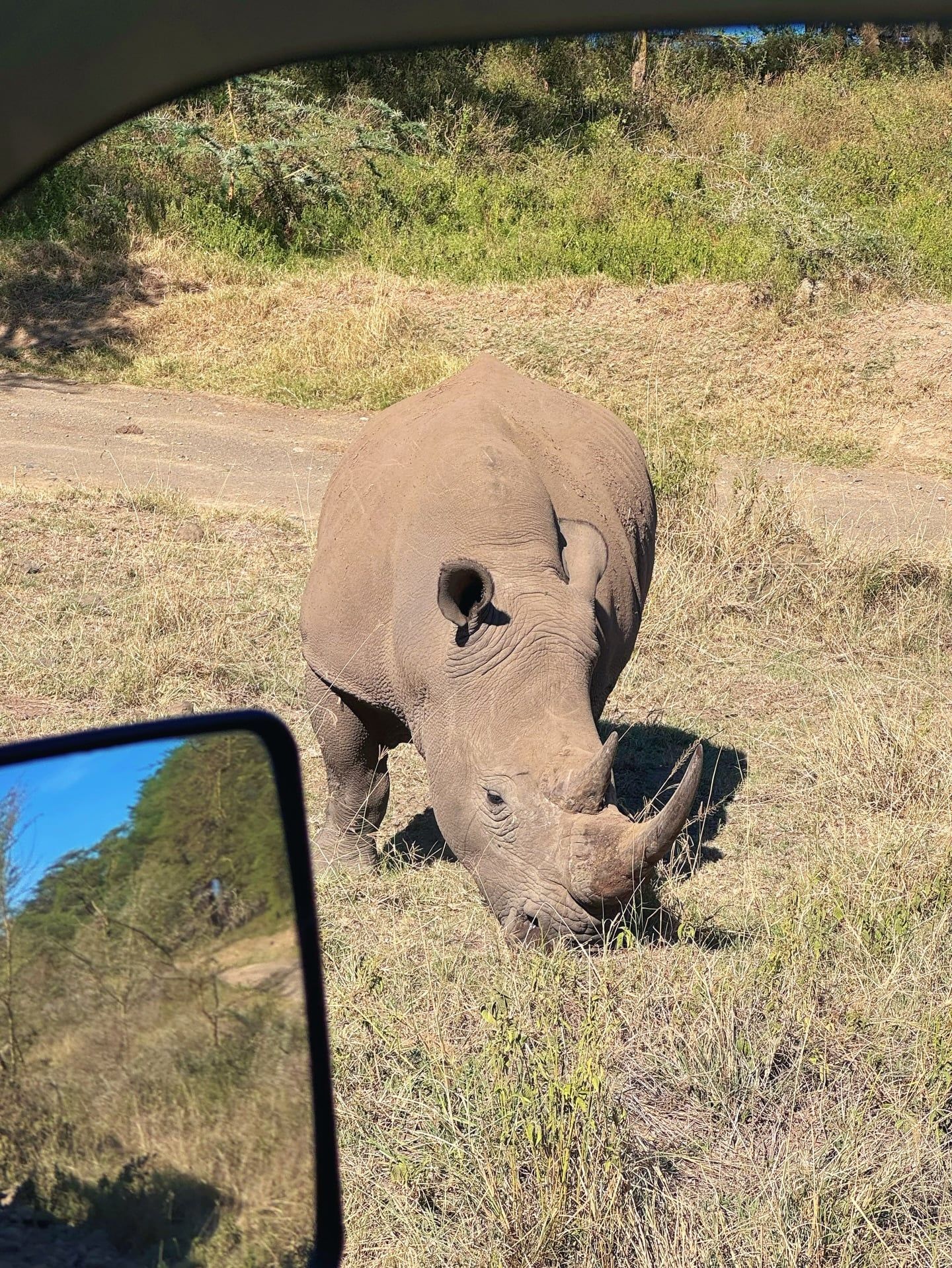
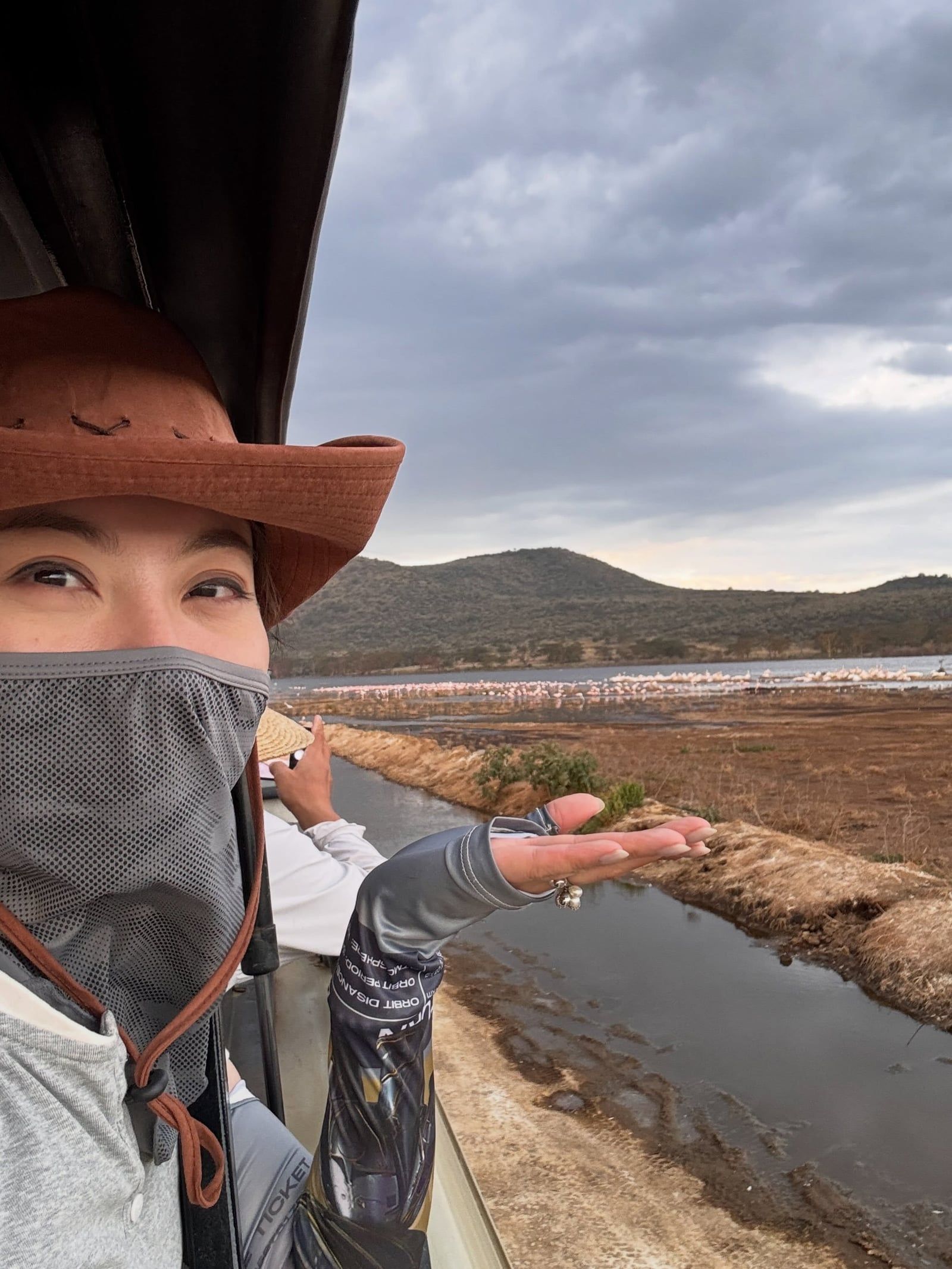
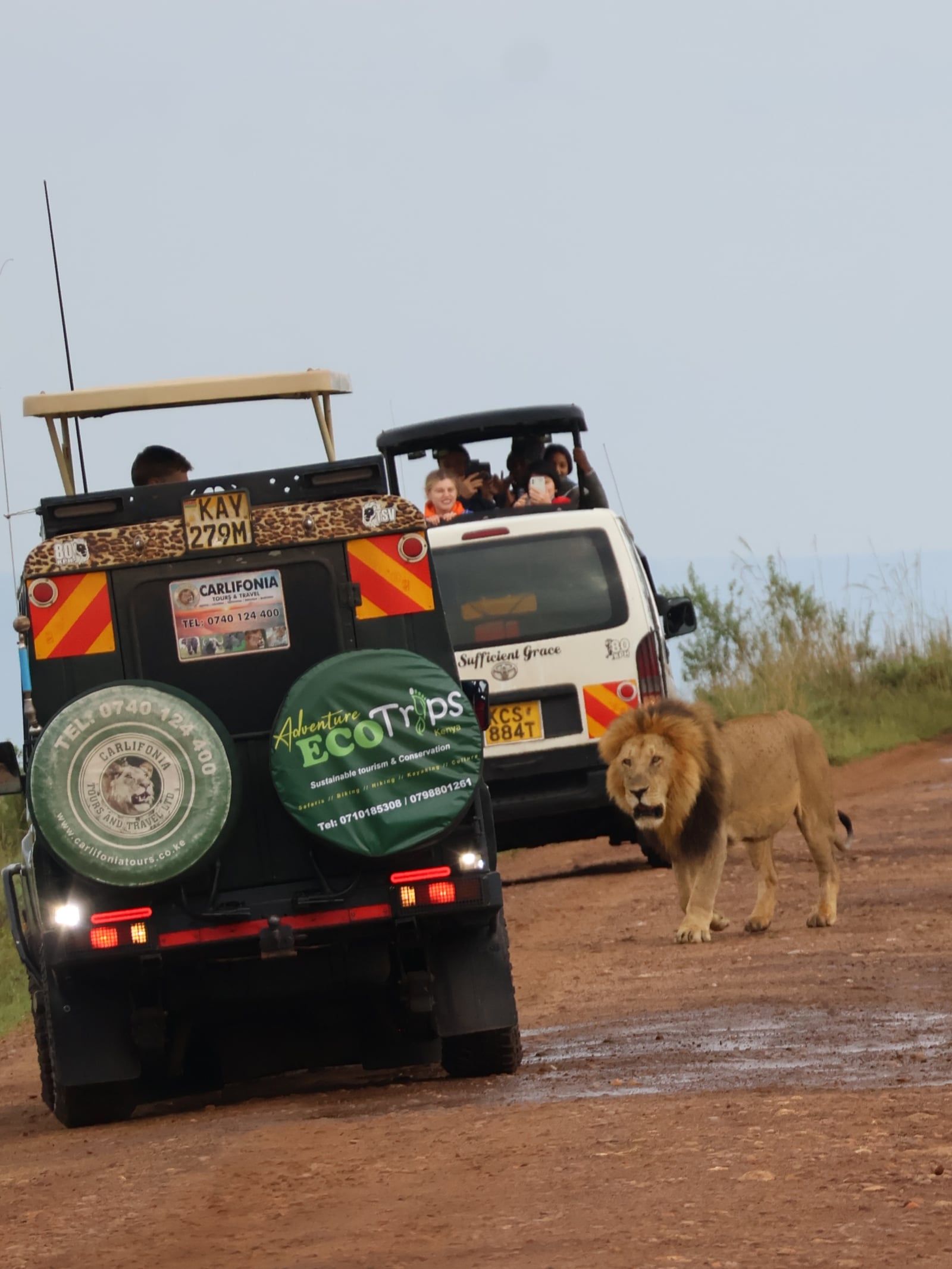
Lake Nakuru National Park packs 188 km² of lakeshore, acacia woodland and rocky escarpment into a fenced circuit you can drive in a day, 156 km from Nairobi. Most tours run the lakeshore tracks, Baboon Cliff and the rhino areas between 6 AM and 6 PM. It's Kenya's first government-run rhino sanctuary (1987), so rhino sightings are more reliable here than almost anywhere in East Africa.
Around 70 southern white rhinos graze the shoreline grasslands and 25+ eastern black rhinos browse the thickets. With no elephants in the fenced park, four of the Big Five (lion, leopard, buffalo, rhino) are concentrated into a small, drivable area. Encounters come fast — often within the first hour.
The park's most famous viewpoint looks out over the alkaline lake, the southern plains and the flamingo feeding flats below. Early morning gives soft light; late afternoon gives layered landscapes. Keep doors closed — the cliff's baboon troops will enter open vehicles for food.
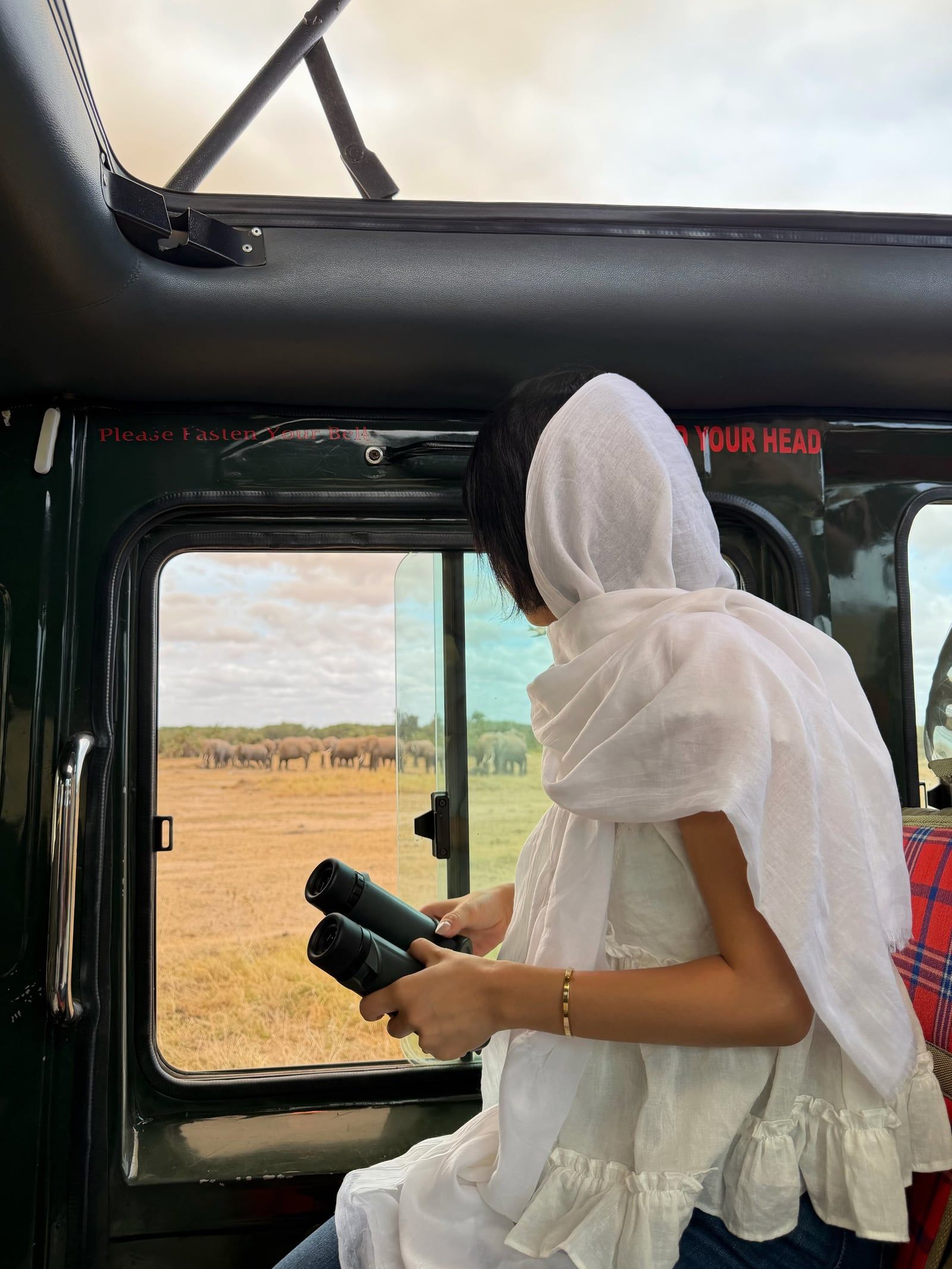
African fish eagle, Goliath heron, hamerkop, pelicans and thousands of little grebes work the lakeshore, and Palearctic migrants join them from October to April. Flamingos still appear — flocks of 10,000–30,000 move between Nakuru, Bogoria and Elementaita — but the million-strong pink blanket of the 2006 survey is gone. Bring binoculars.
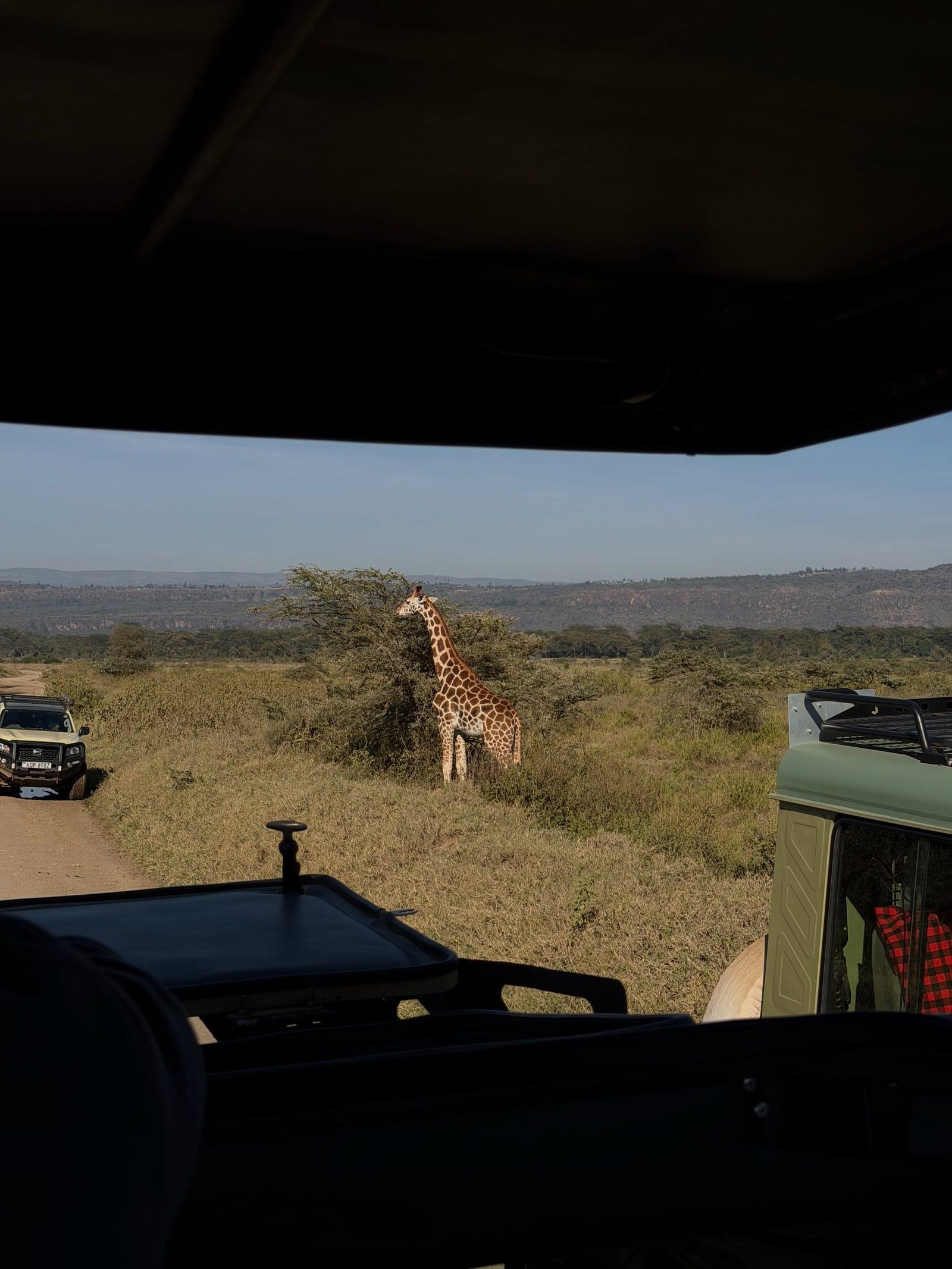
This is one of the few places to see Rothschild's giraffes, relocated here from western Kenya since 1977. They feed along the shoreline with abundant waterbuck — both Kenyan subspecies — and the early light on the water makes the classic lakeside photos. Zebra, impala and buffalo share the same flats.
A seasonal waterfall in the park's south, best after the April–May and November rains. A short hiking trail and picnic spots sit nearby, and the surrounding bush hides impala and shy species. At full flow the roar carries over the birdsong.
Lions doze in the acacias, spotted hyenas patrol the plains, and the dense woodlands hold large pythons that cross roads or dangle from trees — a genuinely unusual safari sighting. Scan branches as well as grass. Hyena sightings have become much more frequent in recent years.
Tour prices at Lake Nakuru range from USD 90 for a group day trip to over USD 1,000 for five-day Rift Valley circuits, and the biggest variable is what's included. Park entry is almost never in the price — budget USD 90 per non-resident adult per day on top.
Day trips from Nairobi dominate: the cheapest is a USD 90 group-joining safari with about 11 hours inside the park, while private versions run USD 180–280. Multi-day options include a 4-day Masai Mara + Nakuru trip (USD 475), a 5-day small-group circuit with Naivasha and the Mara (USD 1,130), and a 7-day four-park itinerary covering Amboseli too (USD 800). A 2-day private Nakuru-only tour costs USD 400 with three meals and accommodation.
Park fees are separate on nearly every tour — the USD 280 private day trip and the USD 400 two-day tour both exclude them. Non-resident adults pay USD 90/day, children USD 45; East African citizens pay KES 1,500/750. Pay cashless in advance via the KWS eCitizen portal (kwspay.ecitizen.go.ke) using M-Pesa, bank transfer or card, and bring the passport matching your fee category.
Day trips book out around peak season (June–October and January–February) and on free-entry days like World Tourism Day, when locals flood the gates. Multi-day group safaris with only 8 seats per vehicle — like the 7-day Amboseli circuit — fill weeks ahead. Book two to four weeks out for dry-season dates; a few days is usually enough in the April–May low season.
Group-joining tours (USD 90–180) mean shared vehicles and fixed schedules but the lowest cost. Private tours (USD 195–280) let you set the pace and hit the 6 AM gate opening, which matters — predators are active then and the lake light is at its best. Families with young kids and photographers: go private. Solo travelers and budget pairs: the group option is fine.
Many tours bundle Nakuru with the Masai Mara (4–5 days) or Naivasha and Amboseli (7 days). The Naivasha leg typically includes a boat ride to see hippos and fish eagles, plus optional cycling in Hell's Gate. If flamingos are thin at Nakuru, Lake Bogoria — 1.5–2 hours north — now hosts the big flocks and makes a strong swap.
The game viewing happens from the vehicle on a relatively flat lake circuit, so wheelchair users and elderly travelers see everything without walking. Two tours list wheelchair accessibility (the USD 280 private day trip and the USD 400 two-day private tour), and specialist operators offer vehicles with ramps plus wheelchair hire. Baboon Cliff and Makalia Falls have uneven rocky ground — bring a companion for those.
Most tours refund in full if you cancel at least 24 hours before departure — that covers the day trips and all the multi-day circuits. The exception is the 2-day private tour, which needs 3 full days' notice for a full refund; inside 3 days you get nothing. Some operators add a free airport pickup and even a complimentary pre-safari night if you arrive early.
Mornings run around 10°C at 1,754 m altitude, so pack a fleece and windproof layer even though midday hits 23–25°C. Wear neutral khaki or olive — white and black show the alkaline dust instantly. Bring water, sunscreen, repellent, binoculars and a first-aid kit; there's little to buy inside the park, so stock up in Nakuru town.
Swipe to see more
| Group Day Trip | Private Day Trip | 2-Day Private Tour | 4–5 Day Rift Valley Circuit | 7-Day Four-Park Safari | |
|---|---|---|---|---|---|
| Duration | 11–12 hours from Nairobi | 12–24 hours door to door | 48 hours, one night | 96–120 hours | 168 hours |
| Best for | Budget travelers and first-timers wanting the cheapest safari | Families, photographers and anyone who wants the 6 AM gate opening | Travelers who want a relaxed pace with two game-drive windows | Visitors combining Nakuru with the Masai Mara and Naivasha | Travelers with a week who want Amboseli's elephants added |
| Includes | Transport, guide, bottled water (park fees extra) | Private vehicle, hotel pickup, lunch, bottled water (park fees extra on most) | Private vehicle, three meals a day, overnight accommodation (park fees extra) | Accommodation, all meals, 4x4 with pop-up roof, guide, airport pickup | 6 nights' accommodation, all park entry fees, Naivasha boat ride, meals, 4x4 Land Cruiser (max 8 people) |
| Price from | USD 90 | USD 180 | USD 400 | USD 475–1,130 | USD 800 |
Swipe to see more
The park is open daily, 6:00 AM to 6:00 PM East Africa Time. Gates close at 6:00 PM sharp unless you're staying overnight inside the park — rangers don't bend this rule, and evening arrivals from Nairobi regularly miss the window.
Three gates serve the park:
Check gate status with KWS before you travel. Rising lake levels have periodically flooded and closed the Main Gate, diverting access to Lanet and Nderit.
One free-entry day runs each year around World Tourism Day — entry was free on 27 September 2025 and a similar day is set for 28 September 2026. Expect heavy local crowds on those days.
Lake Nakuru sits 156 km northwest of Nairobi on the A104 highway — about 2.5–3.5 hours depending on traffic and roadworks around Rironi.
Self-drive works fine in the dry months; take a 4x4 in April–May when tracks turn to mud.
June to October and January to February are the best windows: wildlife concentrates near water, the vegetation thins out, and the tracks are dry. Birding peaks from October to April when Palearctic migrants join the roughly 450 resident species.
Skip April and May if you can. The long rains make tracks muddy and game viewing harder, though rerouted circuits have improved wet-season conditions. November's short rains cause occasional disruption.
On flamingos: manage expectations. A KWS survey counted 1,347,063 flamingos in January 2006, but rising, diluted water has cut the algae they feed on, and recent flocks of 10,000–30,000 move nomadically between Nakuru, Bogoria and Elementaita. Don't book a trip around a guaranteed pink lake — book it for the rhinos, and treat flamingos as a bonus.
Daytime highs run 20–25°C with cool ~10°C mornings year-round at 1,754 m. Pack layers whatever the month.
This is one of Kenya's more accessible safari parks. Tarmac access roads, a relatively flat lake circuit, and game viewing done entirely from the vehicle mean flamingos, rhinos, giraffes and buffalo can be watched without leaving your seat.
Some specialist operators run safari vehicles fitted with wheelchair ramps, and manual and electric wheelchairs are available for hire through accessible-safari providers. Two tours on this page list wheelchair accessibility — the USD 280 private day trip and the USD 400 two-day private tour.
Elderly visitors do well here: sightings come quickly and close, drives between highlights are short, and there's no demanding walking unless you choose it. In-park lodges (Sarova Lion Hill, Lake Nakuru Lodge, The Cliff, Lake Nakuru Sopa Lodge) mean minimal transfers.
Watch the ground at Baboon Cliff and the Makalia Falls trail — both are uneven and rocky, so bring a companion for assistance there.
Children are well catered for. Kids 3–17 pay half the adult entry (USD 45 for non-residents), under-3s enter free, and the park's compact, fenced layout with easy animal sightings makes it a solid first safari.
Purchase options inside the park are limited — carry all drinking water, food, sunscreen, repellent and first-aid supplies from Nakuru town before entering.
Four lodges operate inside the park: Sarova Lion Hill, Lake Nakuru Lodge, The Cliff and Lake Nakuru Sopa Lodge, which cuts transfers to zero for overnight guests. Naishi Guest House sits by the airstrip.
Special campsites (Reedbuck, Naishi, Rhino, Chui, Soysambu, Kambi Nyuki, Kambi Nyati) must be reserved in advance through KWS reservations. A campsite also sits near Makalia Falls in the park's south.
Picnic spots at Baboon Cliff and Makalia Falls are the standard lunch stops on a full-day itinerary — just keep the vehicle closed, because the baboons are bold and will take food from open vehicles.
Entry fees (effective 1 October 2025): non-resident adult USD 90, child USD 45; African citizen USD 50/25; East African citizen KES 1,500/750; Kenya resident KES 2,025/1,050. Vehicles under 6 seats pay KES 600/day, scaling to KES 5,000 for larger ones. All payment is cashless via the KWS eCitizen portal; KWS customer service is on 0800 597 000.
The speed limit inside the park is 40 km/h (25 mph), and rangers enforce it. Off-road driving, hooting, and driving under the influence of alcohol are all strictly prohibited, and vehicle recovery inside the park is charged separately if you get stuck.
Stay in your vehicle unless you're in a designated area, keep doors closed at all times, and view wildlife from a minimum of 20 meters. Never feed the animals — the baboons at Baboon Cliff will beg, and feeding them makes them more aggressive.
The park is plastic-free: single-use plastics are prohibited. Pack out everything you bring in. Firearms and pets are banned, and approaching wildlife on foot outside designated areas is forbidden.
Personal photography with cameras and phones is freely allowed. Commercial filming, professional shoots and wedding sessions need prior KWS arrangement and separate fees. Drones are prohibited without permits from both the Kenya Civil Aviation Authority and KWS — flying without them can mean confiscation, fines and prosecution.
No permit is needed for a standard game drive; just prepay on eCitizen (kwspay.ecitizen.go.ke) and carry the passport or ID matching your fee category. Swimming in the lake is illegal, and the alkaline water makes it pointless anyway.
Usually not. Most tours list entrance fees as an exclusion — including the USD 280 private day trip and the USD 400 two-day private tour — so you'll pay the KWS fee separately. Non-resident adults pay USD 90 per day and children USD 45, via the cashless eCitizen portal. The 7-day four-park safari is the main exception, with entry to all parks included in its USD 800 price.
Yes, it's one of Kenya's most popular day trips. The park is 156 km from Nairobi on the A104, about 2.5–3.5 hours each way, and tours typically run 11–12 hours door to door with a Rift Valley viewpoint photo stop en route. Group options start at USD 90; private versions run USD 180–280. Leave early — gates close at 6 PM sharp.
Probably some, but not the historic pink blanket. A KWS survey counted over 1.3 million flamingos in January 2006, but rising, diluted water has cut their food supply, and current flocks of roughly 10,000–30,000 move between Nakuru, Bogoria and Elementaita. Ask your guide or rangers where the birds are feeding that day. If flamingos are your priority, Lake Bogoria — 1.5–2 hours north — now hosts the big flocks.
No — the park has four of the five: lion, leopard, buffalo and both black and white rhino. There are no elephants inside the fully fenced 188 km² park. Rhino sightings are among the most reliable in East Africa thanks to the sanctuary status since 1987. If you want elephants too, book a tour that adds Amboseli, like the 7-day four-park safari.
A private day trip (USD 180–280) or the two-day private tour (USD 400) — both list wheelchair and stroller accessibility, and private vehicles let you set the pace around nap times. Children 3–17 pay half the adult park entry (USD 45 for non-residents) and under-3s enter free. The compact, fenced park with easy sightings of zebra, buffalo and giraffe makes it one of the best intro safaris in Kenya. Note infants sit on laps on most tours.
Gates open at 6:00 AM, and the best tours enter right at opening — predators are still active in the cool hours and the light over the lake is superb for photos. Day trips from Nairobi typically pick up around 5–6 AM to reach Lanet Gate by opening. Late afternoon is the second-best window. Midday is when most tours stop for a picnic at Baboon Cliff.
Yes. The park sits at 1,754 m in the Rift Valley where malaria-carrying mosquitoes occur, though the altitude makes risk lower than at lowland parks. Take prophylaxis as your doctor advises, use repellent, and wear long sleeves at dawn and dusk — which you'll need anyway, since mornings drop to around 10°C.
Most tours offer a full refund if you cancel at least 24 hours before departure, covering the day trips and all the multi-day circuits. The 2-day private tour is stricter: you need to cancel at least 3 full days ahead for a full refund, and inside that window you get 0% back. If your plans are loose, book the 24-hour-policy options.
Yes — several tours do exactly that. A 4-day Masai Mara and Lake Nakuru tour runs from USD 475 with daily game drives in a pop-roof 4x4 Land Cruiser, while a 5-day small-group version adds Lake Naivasha and Hell's Gate for USD 1,130. The 7-day option throws in Amboseli and a Naivasha boat ride for USD 800. All include accommodation and meals.
Yes, self-drive is allowed and the lake circuit fits easily in a day. You'll pay the per-person entry fee plus a KES 600/day vehicle charge (under 6 seats) through the eCitizen portal. Obey the 40 km/h limit, stay on designated tracks, and use a 4x4 in the April–May rainy season. Use Lanet Gate coming from Nairobi — it skips the town traffic.
Browse verified tours with free cancellation and instant confirmation.
Find Tours


A five-day group-joining safari that links three Great Rift Valley stops — Lake Nakuru, Lake Naivasha with Hell's Gate, and the Masai Mara — in one small-group trip. It's built as a budget option: you join a shared group rather than booking a private vehicle. The English-speaking guide is certified and stays with you throughout. All meals are covered (breakfast, lunch and dinner), along with accommodation for the four nights. Pickup is free from hotels within Nairobi city and from Jomo Kenyatta International Airport, including a complimentary airport pickup on arrival. Gratuities are the only listed extra. Cancel at least 24 hours before departure for a full refund.
For a full refund, cancel at least 24 hours before the scheduled departure time.
English


Seven days, four parks, and a maximum of 8 people in a pop-roof 4x4 LandCruiser. The run goes Maasai Mara, Lake Nakuru, Lake Naivasha and Amboseli, with a boat ride on Naivasha included and an optional biking safari in Hells Gate National Park. All park entry fees, bottled water, and meals — breakfast, lunch, dinner — are covered, along with 6 nights of accommodation. Guiding is in English. Cancel at least 24 hours before departure for a full refund. Accommodation varies by stop. In the Mara you get large private tents with a hot shower and toilet inside; Nakuru and Naivasha use proper hotels; the Amboseli leg is upgraded to a Luxury AA Lodge or similar. Logistics are generous. Airport pickup is free even if you land a day early, and it comes with a complimentary first night at Raha Suites, a boutique hotel in Nairobi. Hotel or residence pickup and drop-off within Nairobi CBD is included, as is the airport drop-off after the tour. The operator runs a guaranteed daily departure for this itinerary, so no last-minute cancellations.
For a full refund, cancel at least 24 hours before the scheduled departure time.
English


This full-day trip starts with pickup at your agreed location in Nairobi, then runs down the A104 highway with a photo stop at the Rift Valley View Point. You'll pass Lake Elementaita in the distance before reaching Lake Nakuru National Park around 8:30 AM, where you switch into a 4x4 Land Cruiser with a pop-up roof for a four-hour game drive along the lake shore. Two stops break up the drive: a roughly 10-meter waterfall on the park's southern end, and a lakeside viewpoint where lunch is served. Watch your food there — the baboons raid vehicles and don't hesitate. You get one bottle of water per person; everything else you bring yourself. The optional Naivasha add-on (tell your guide at pickup if you want it) is about an hour of boating among hippos and birds, plus an hour walking Crescent Island among giraffe, zebra and antelope. German, English, French and Spanish guides are available. Airport pickup or drop-off costs 25 USD per booking. Cancel at least 24 hours ahead for a full refund.
For a full refund, cancel at least 24 hours before the scheduled departure time.
German, English, French, Spanish


Runs as a full 24-hour day door to door, starting with an early-morning pickup from your Nairobi hotel by the safari guide and a drive northwest toward the Rift Valley. There's a photo stop on the way — a viewpoint over the valley escarpment — before you reach Lake Nakuru National Park's gate. Inside, the day is built around game drives in a rhino sanctuary, with good odds on both black and white rhino plus lions, leopards and buffalo. You stop for a picnic lunch with park views, then continue to the lakeshore, where flamingos and other waterbirds gather in season. Baboon Cliff is the last stop, a lookout over the lake and the flats below, before the drive back to Nairobi. Transport is private, with bottled water and lunch included. Park entrance fees are not — budget for those separately. To arrange pickup, message the operator on WhatsApp or call with your location. Cancel at least 24 hours before departure for a full refund.
For a full refund, cancel at least 24 hours before the scheduled departure time.


This is a 12-hour private day trip from Nairobi in your own vehicle, run by Welcome Pickups with a professional English-speaking driver who doubles as an informal guide. The route runs down through the Great Rift Valley to Lake Nakuru National Park and back, with roughly four hours each at the Rift Valley Viewpoint, the park itself, and Baboon Cliff. The itinerary is customizable, so you can shift time between stops with your driver. Inside the park, the day splits between the lakeshore — where flamingos and other waterbirds gather — and a game drive looking for rhinos, giraffes, and buffalo, finishing at Baboon Cliff for views over the lake. Park entry fees are not in the price. Pickup and drop-off are included from your hotel or any custom location in Nairobi, and the driver waits up to 30 minutes past the scheduled time before treating it as a no-show. Fuel, tolls, taxes, water, and on-board WiFi are covered. Cancel at least 24 hours ahead for a full refund.
For a full refund, cancel at least 24 hours before the scheduled departure time.
English


Four days from Nairobi, split between the Masai Mara National Reserve and Lake Nakuru National Park, with game drives scheduled daily rather than one long outing. You travel in a 4x4 Land Cruiser with a pop-up roof, and pickup covers any address within Nairobi. The guide speaks English. In the Mara, drives follow the plains and the Mara River banks, where hippos and crocodiles gather; all of the Big Five live in the reserve, and if your dates fall in the migration window you may catch the herds crossing. Dusk drives are when the predators move. Nakuru, on the second half of the trip, is the birding stop, with rhinos (both black and white), Rothschild's giraffes, waterbucks, lions and leopards regularly seen around the lake shore and the surrounding escarpment. Meals are covered: breakfast, lunch and dinner are included, along with accommodation as listed in the itinerary or similar. Budget-tier lodging — this is a budget tour. Two optional extras cost more if you want them: a Maasai village visit and a balloon safari over the Mara. Cancel at least 24 hours before departure for a full refund.
For a full refund, cancel at least 24 hours before the scheduled departure time.
English


A private vehicle and driver-guide for two full days in Lake Nakuru National Park, with pickup directly from homes and apartments rather than hotel lobbies. You get three meals a day plus overnight accommodation — the only extra you'll pay on the ground is the park entrance fee, which isn't in the price. Because it's private, the pace is yours: long stops at the lake shore for the flamingo flocks and rhino sightings, or an early exit if the midday heat kills the game viewing. Guides work in English, French, or German. One caveat worth knowing: cancel within three days of departure and you get nothing back. Cancel earlier and it's a full refund.
If you cancel at least 3 full day(s) before the scheduled departure time, you will receive a full refund.<br>If you cancel within 3 day(s) of the scheduled departure, you will receive a 0% refund.
German, English, French


This is a group-joining safari: you share the vehicle and the game drive with other travellers, which is what keeps the price down. The day runs 6am to 6pm — about 11 hours total — inside Lake Nakuru National Park, with transport and an English-speaking guide included. Roughly 30 minutes of the day goes to Makalia Falls, inside the park itself, with the rest spent on the full-day game drive. Park fees and taxes are not in the price, so budget for those separately. Cancel at least 24 hours before departure for a full refund.
For a full refund, cancel at least 24 hours before the scheduled departure time.
English