About All ToursPrivate ToursSafari ToursJeep ToursFull Day ToursMasai Mara Tours Directions Hours & Fees Guides
Find Tours 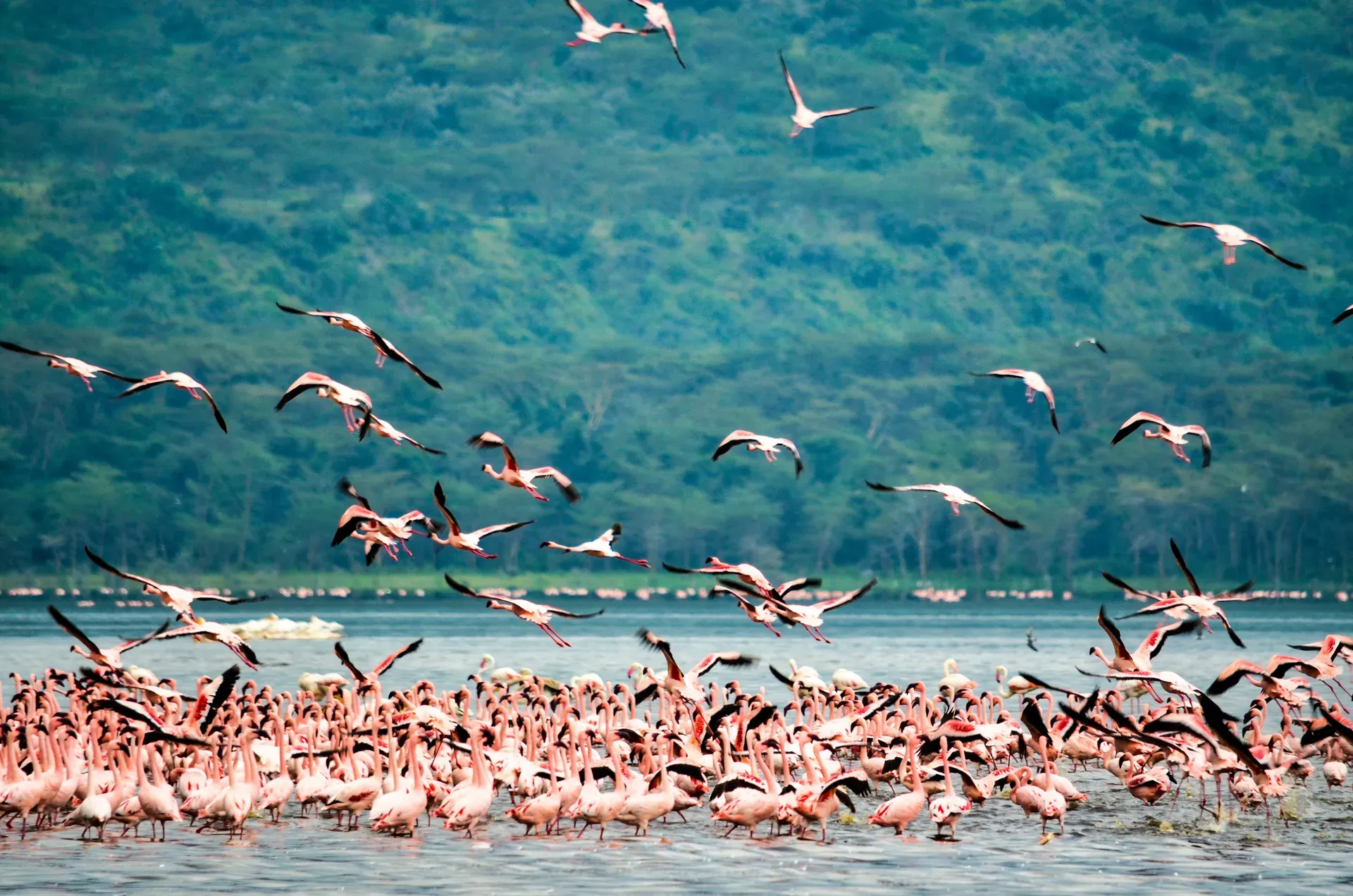
Explore Lake Nakuru National Park with your own vehicle, driver-guide, and itinerary. Options range from 5-hour half-day trips from Nakuru to 2-day private safaris with overnight accommodation inside the park.
 Free Cancellation
Private 11-hour 4x4 tour to Lake Nakuru with two game drives, Rift Valley viewpoint stop, and optional Lake Naivasha boat ride.
 Free Cancellation
Private 11-hour 4WD day trip from Nairobi with two game drives and an optional Naivasha boat ride.
 Free Cancellation
Five-hour private game drive from Nakuru with 6 am hotel pickup, guide, WiFi and AC vehicle.
 Free Cancellation
Private 7-hour van day trip from Nairobi CBD with a Rift Valley viewpoint stop and a game drive at Lake Nakuru.
Free Cancellation 5-hour private game drive in Lake Nakuru park with 6 am hotel pickup within Nakuru and an English-speaking guide.
 Free Cancellation
11-hour private game drive to Lake Nakuru from Nairobi, with 6:00am hotel pickup and Rift Valley viewpoint stop.
 Free Cancellation
Six-hour private game drive in a tour van with an open roof, English guide, and hotel pickup.

Two-day private safari with overnight stay, all meals, and pickup from your accommodation.
Read what travelers share about their experience visiting Lake Nakuru — from practical tips to personal highlights.
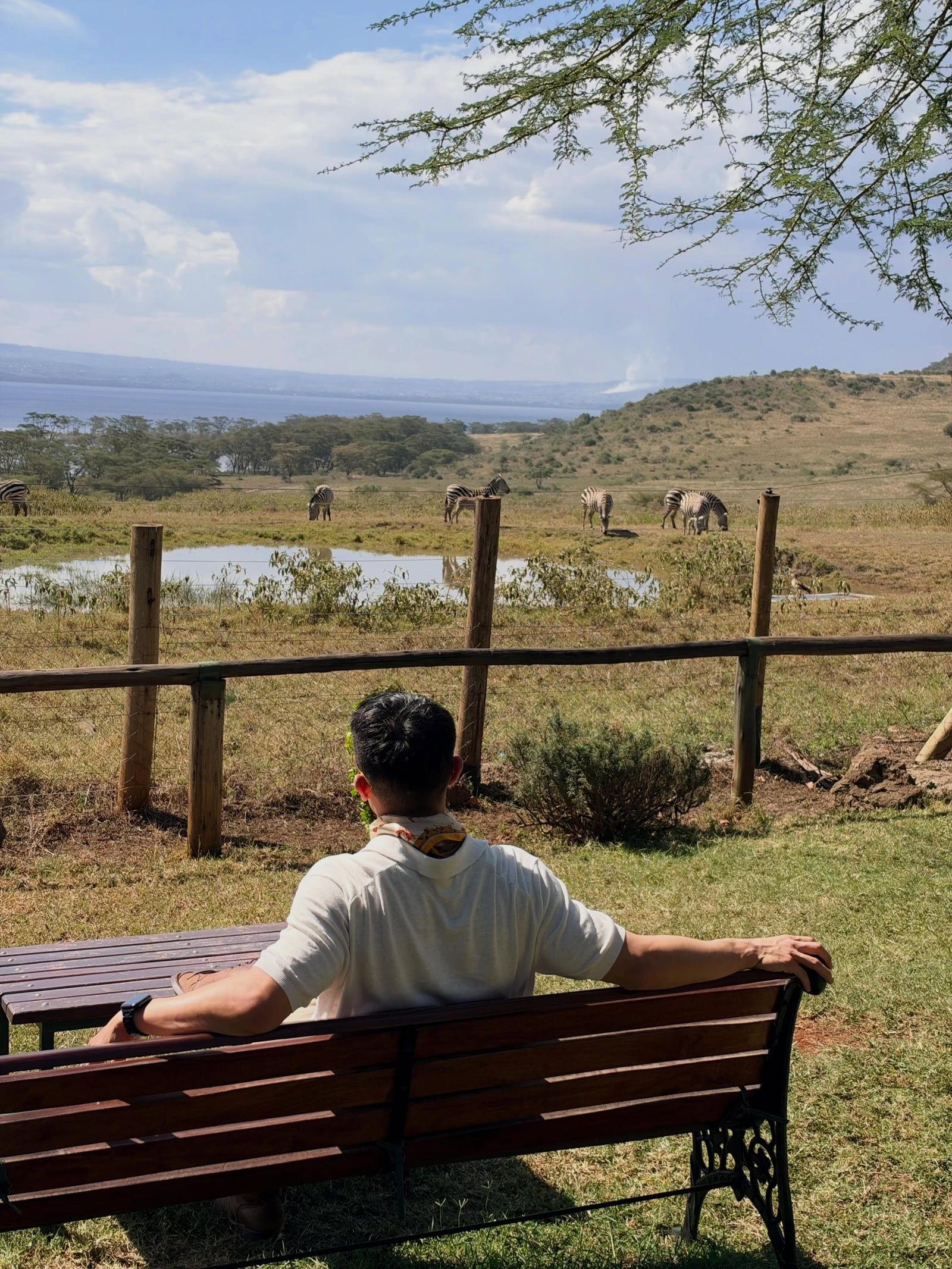
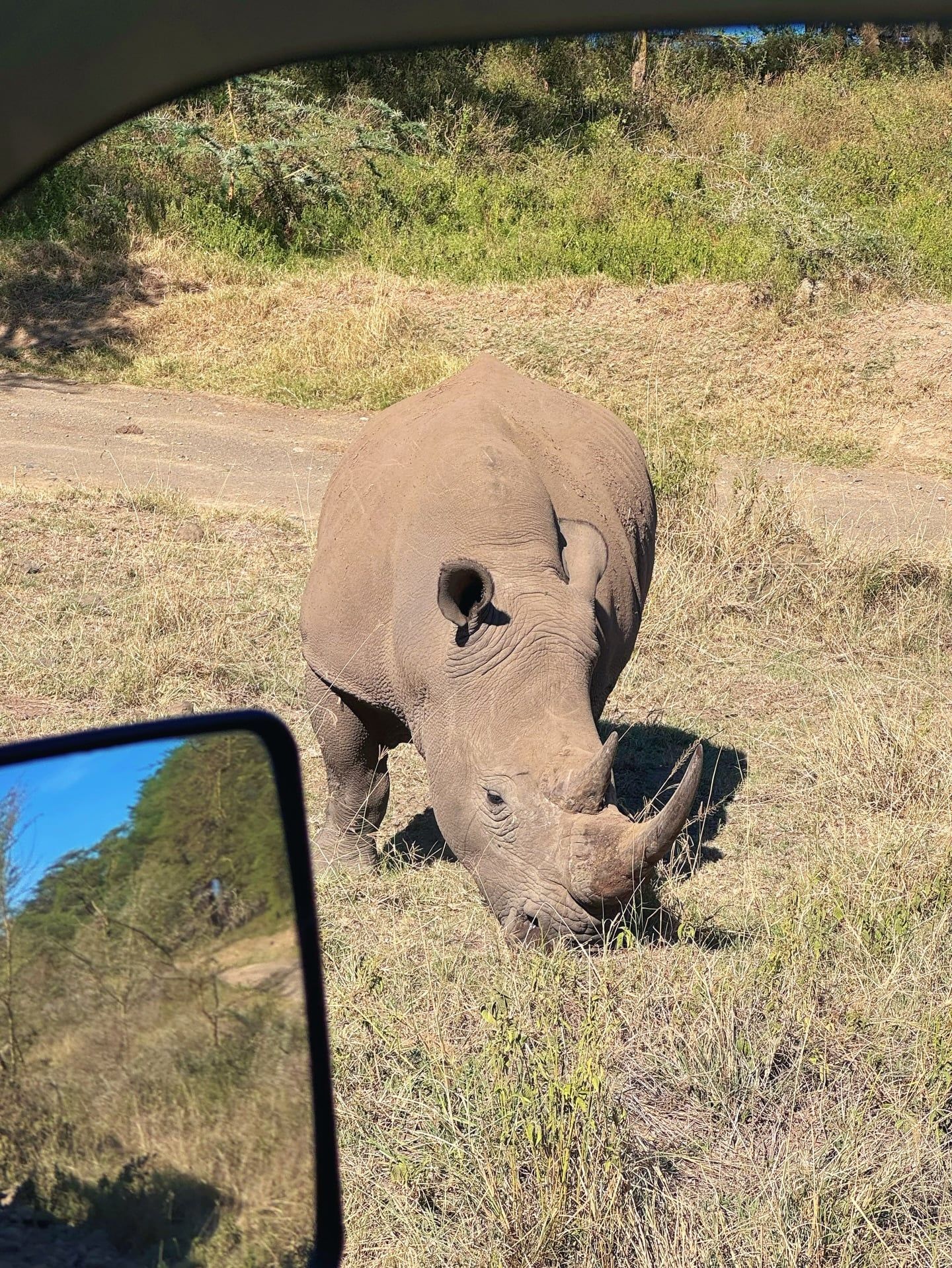
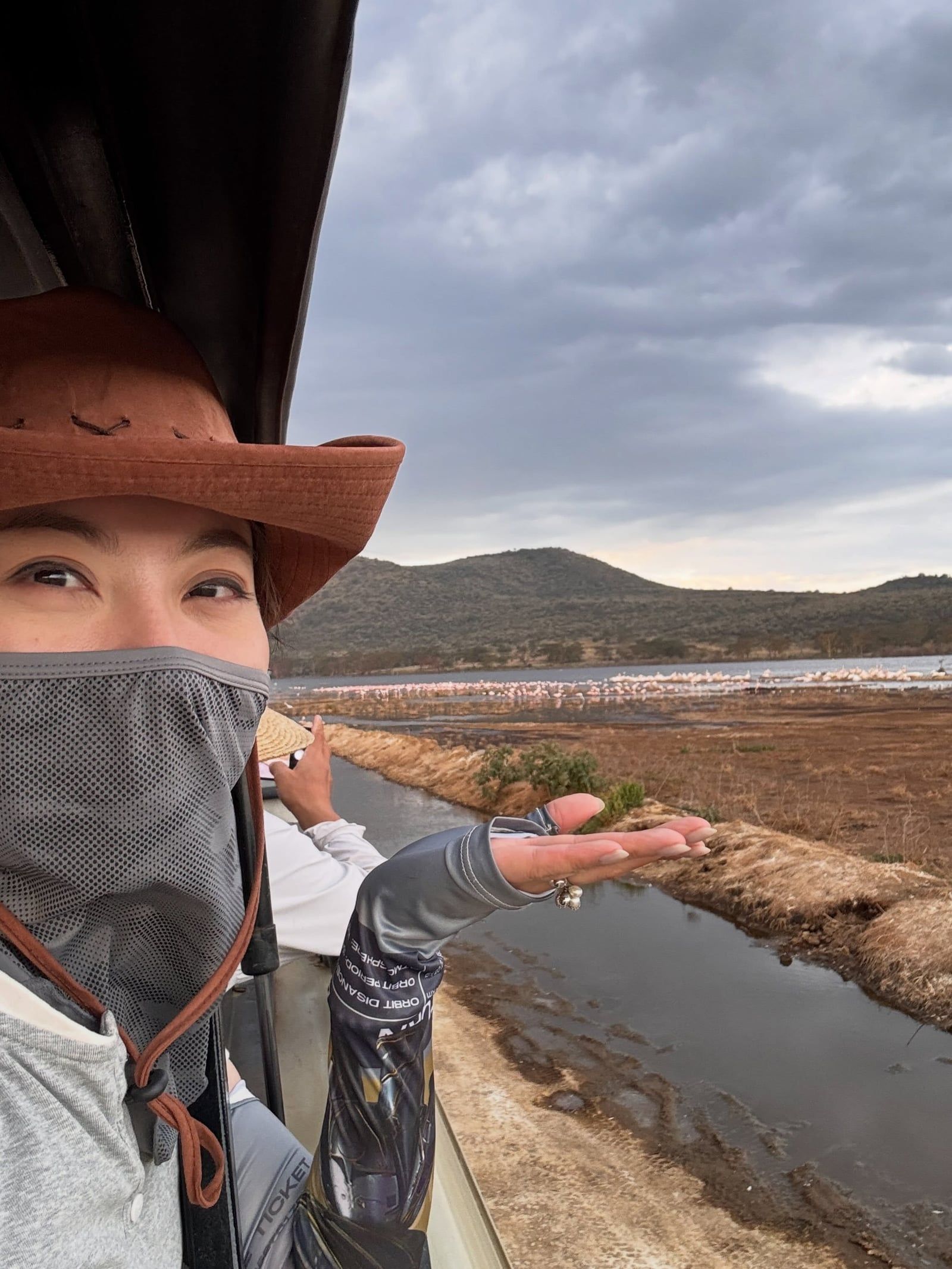
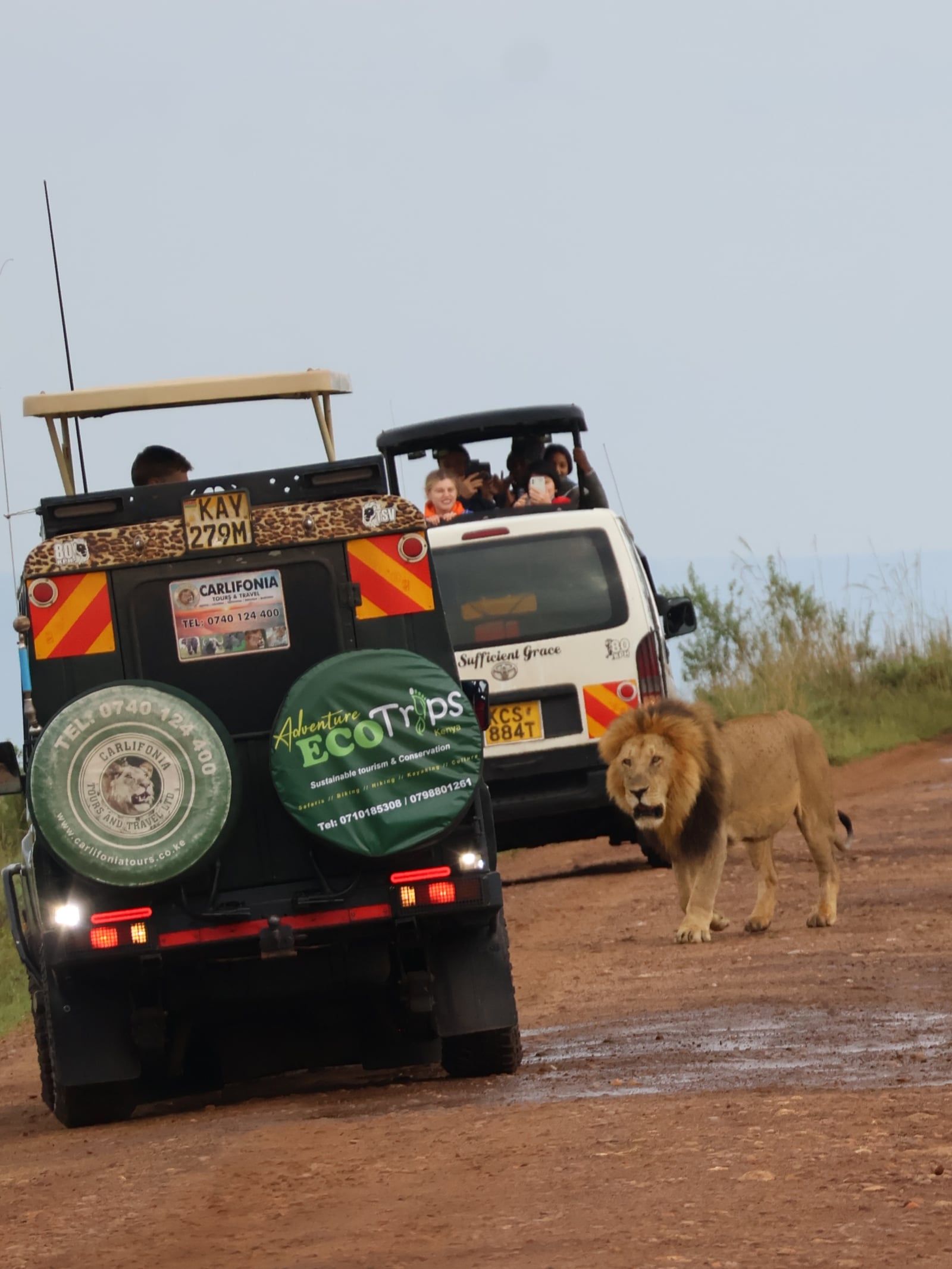
A private Lake Nakuru tour puts you in your own 4x4 or van with a driver-guide, typically picked up at 6:00 AM from Nairobi (or your Nakuru hotel) for a day built around game drives. The 156 km drive west takes about three hours, with a photo stop at the Great Rift Valley viewpoint on most Nairobi departures, and you'll spend the middle of the day inside a 188 km² fenced park where sightings come fast.
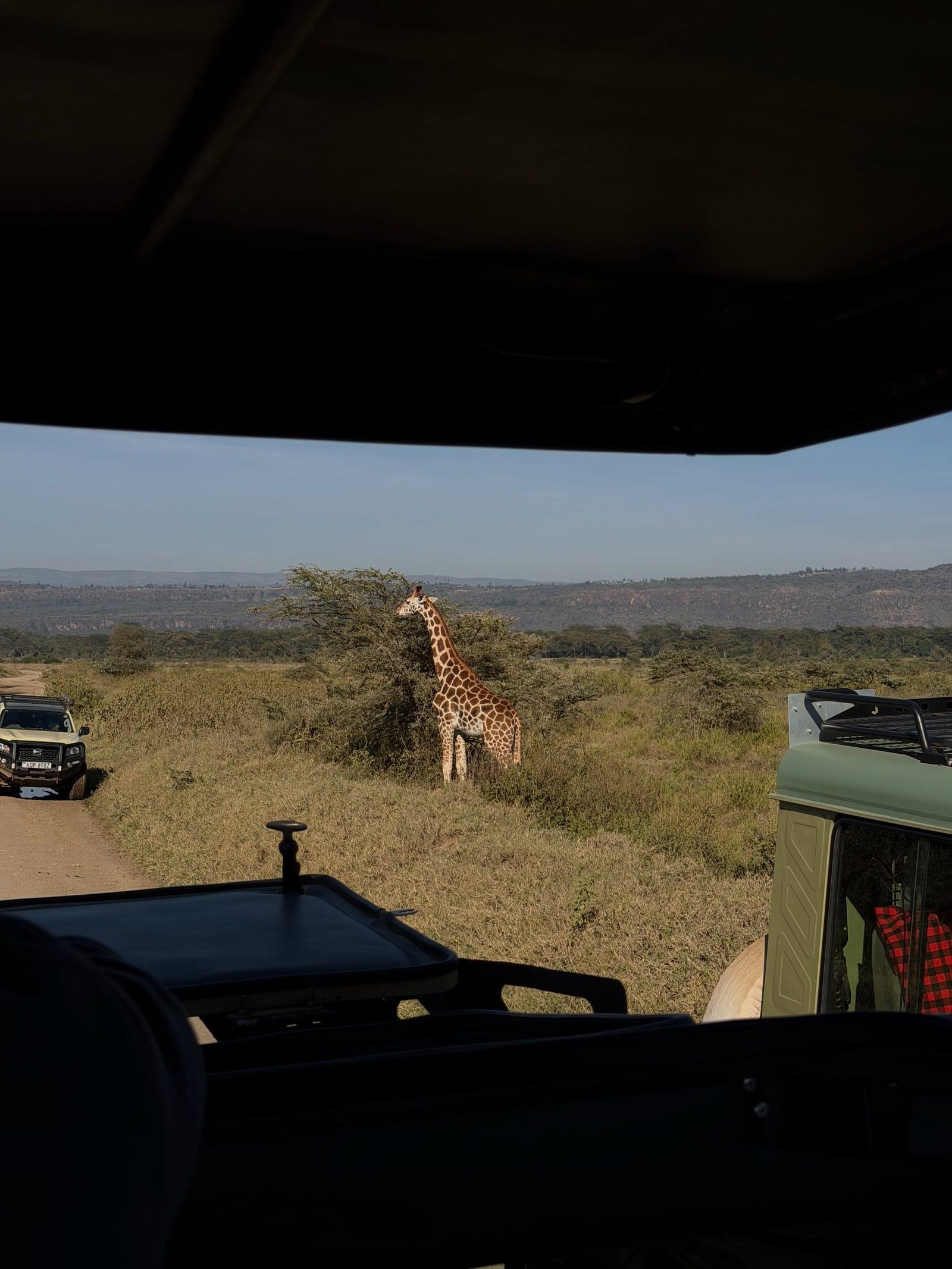
Nakuru became Kenya's first government-managed rhino sanctuary in 1987 and still holds one of the country's largest black rhino concentrations. Around 70 southern white rhinos graze the shoreline grasslands while 25-plus black rhinos browse the thickets. With no elephants in the fenced park, four of the Big Five (lion, leopard, buffalo, rhino) sit in a compact, drivable circuit.
The park's most famous viewpoint looks out over the alkaline lake, the southern plains and the flamingo feeding flats below. Guides time it for soft morning light or the layered late-afternoon landscape. Keep the doors shut — the baboon troops here are bold and will enter an open vehicle for food.
The million-strong pink flocks of the 1990s and 2000s — a January 2006 survey counted 1,347,063 birds — have mostly moved to Bogoria and Elementaita as rising water diluted the lake's algae. Flocks of 10,000–30,000 still rotate through the Naishi plains. Fish eagles, pelicans, Goliath herons and pied kingfishers fill the gap.
This seasonal waterfall in the park's south roars from April to May and again after November's short rains, then thins out in the dry months. Impala and shy bush species hide in the surrounding vegetation. There's a picnic site and campsite nearby.
Nairobi departures pause for about 20 minutes at the Great Rift Valley viewpoint on the escarpment road. It's the standard photo break on the drive out and a chance to stretch before the park. Guides on the 11-hour itineraries build it in before the mid-morning park arrival.
The dense woodlands host large pythons that cross roads or dangle from trees — a genuinely rare safari sighting. Lions doze in the acacias, so scan branches as well as grass. Spotted hyena sightings have increased markedly in recent years.
Every tour on this page is private — your own vehicle and English-speaking driver-guide, with pickup from your hotel, apartment or airport terminal. The differences that matter are duration, where the tour starts, and whether park fees are included.
Most listings exclude the KWS conservation fee, which runs USD 90 per non-resident adult per day (USD 45 for children and students) — that's on top of the tour price. East African citizens pay KES 1,500. Vehicles under 6 seats add KES 600 per day. The 2-day safari lists park entrance fees as an explicit exclusion, so budget roughly USD 180 in fees per non-resident adult for two days.
Options run from a 5-hour half-day based in Nakuru to an 11-hour full day from Nairobi, plus a 48-hour two-day trip with an overnight inside the arrangements. The 11-hour format splits roughly as three hours each way on the road and about eight hours in the park. If you're staying in Nakuru, the half-day tours get you through the gate at 6 AM while the cats are still moving.
Every Nairobi tour picks up at 6:00 AM, and the Nakuru half-days also leave at 6 AM — this matches the park's own 6:00 AM gate opening and is when predators are active and the lake light is best. Gates close at 6:00 PM sharp, and evening arrivals aren't allowed. Don't book a morning flight out of Nairobi on the same day.
The day tours all offer a full refund if you cancel at least 24 hours before departure. The 2-day safari is stricter — cancel within 3 days of departure and you get 0% back. Book day tours a few days ahead; the top-rated 11-hour 4x4 tour (4.7 stars from 41 reviews) has steady availability, but morning pickups cap daily numbers.
Full-day tours from Nairobi typically include lunch, bottled water, hotel pickup and drop-off, and the driver-guide; some add on-board WiFi and a company t-shirt. The cheapest 6-hour option ($80) includes only transport, guide and the open-roof van — fees, food and drinks are extra. Check exclusions before comparing prices.
Most tours list wheelchair-accessible transportation and surfaces, with infant seats available and stroller access. The core experience is game viewing from the vehicle, so rhinos, giraffes and buffalo can be watched without leaving your seat. Baboon Cliff and the Makalia Falls trail have uneven rocky ground, where a companion helps.
Day tours run with English-speaking driver-guides, and guides wear company t-shirts for easy identification at pickup. The 2-day safari offers English, German or French if you specify when booking. Specialist operators can also arrange vehicles fitted with wheelchair ramps on request.
Nakuru pairs into a classic Rift Valley loop with Lake Elementaita (45 minutes away), Lake Naivasha and Hell's Gate (1.5 hours), or Lake Bogoria, where most of the flamingos that left Nakuru now feed. One night in the park plus one at Naivasha is a standard 3-day circuit. Day tours continuing to other parks usually need custom quoting.
Swipe to see more
| Full-Day Private 4x4 from Nairobi | Private Van Day Trip from Nairobi | Half-Day Private Tour from Nakuru | 2-Day Private Safari | |
|---|---|---|---|---|
| Duration | 11 hours (about 8 in the park) | 7 hours | 5–6 hours | 48 hours, two full days of game drives |
| Price from | USD 150–190 per group | USD 215 | USD 80–148 | USD 400 |
| Best for | Travelers based in Nairobi wanting the complete circuit — lakeshore, Baboon Cliff, Makalia Falls and rhino areas — in a private 4x4 | Groups wanting a lower per-person cost who don't need a 4x4 — pickup is limited to Nairobi CBD | Visitors already staying in Nakuru town, 4 km from the Main Gate — a 6 AM start beats the heat and the crowds | Photographers and repeat visitors who want first-light drives on day two without the drive back to Nairobi |
| Includes | Lunch, bottled water, hotel/apartment/airport pickup and drop-off, English driver-guide, Rift Valley viewpoint stop | Private transport, hotel pickup and drop-off, game drives, meals, bottled water, driver-guide; gratuities extra | Private pickup in Nakuru, driver-guide, bottled water; some include on-board WiFi and air conditioning; park fees always extra | Private transport, all meals, overnight accommodation; park entrance fees excluded; English, German or French guides; 3-day cancellation window |
Swipe to see more
Lake Nakuru National Park is open daily from 6:00 AM to 6:00 PM East Africa Time. Gates close at 6:00 PM sharp unless you're spending the night inside the park — there's no late entry, so plan your drive back accordingly.
Three gates serve the park:
Check gate status before you travel. Rising lake water has periodically closed the Main Gate due to flooding, with access diverted to Lanet and Nderit. Some lakeside tracks have been rerouted too. The speed limit inside is 40 km/h (25 mph).
The park lies 156 km northwest of Nairobi on the A104 road — about 2.5 to 3 hours depending on traffic. Roadworks around Rironi can stretch that beyond 3 hours, so leave early.
Tour packages include pickup from your hotel, apartment or airport terminal in Nairobi or Nakuru, so most visitors don't need to arrange transport separately.
The dry seasons — June to October and January to February/March — are the best months: wildlife concentrates near water, vegetation thins out, and the tracks stay drivable.
Skip April and May. The long rains turn tracks to mud and make game viewing harder, and November's short rains can also disrupt drives. Rerouted tracks have made wet-season conditions more consistent than they used to be, but a 4x4 is still advisable then.
Birders should target October to April, when Palearctic migrants join the roughly 450 resident species. Daytime highs run 20–25°C with cool ~10°C mornings year-round at 1,754 m — pack a fleece for the 6 AM gate entry.
Flamingo numbers are currently low and the flocks are nomadic regardless of season, so don't plan the trip around a guaranteed 'pink lake' scene. Ask rangers or your guide where the current flocks are feeding.
Lake Nakuru is one of Kenya's more accessible safari parks. Game viewing happens from the vehicle, so flamingos, rhinos, giraffes and buffalo can be watched without leaving your seat, and most tours on this page list wheelchair-accessible transportation with infant seats available.
Some specialist operators run safari vehicles fitted with wheelchair ramps, and manual and electric wheelchairs are available for hire through accessible-safari providers.
Viewpoints such as Baboon Cliff and the Makalia Falls trail have uneven rocky ground, so assistance or a companion is advisable there. Elderly visitors generally manage well — sightings come quickly and close, drives between highlights are short, and in-park lodges (Sarova Lion Hill, Lake Nakuru Lodge, The Cliff, Lake Nakuru Sopa Lodge) mean minimal transfers. Cool mornings call for warm layers.
Children 3–17 pay half the adult entry fee (USD 45 for non-residents); under-3s enter free. Keep kids inside the vehicle with doors closed, and mind the baboons at viewpoints.
Pick up all supplies in Nakuru town before entering — there are few purchase options inside the park. KWS recommends carrying drinking water, food, sunscreen, insect repellent, a camera, binoculars and a first-aid kit.
Picnic sites sit at Baboon Cliff and near Makalia Falls, the latter alongside a campsite. Full-day tours from Nairobi include lunch, usually served as a stop during the circuit.
Four lodges operate inside the park: Sarova Lion Hill, Lake Nakuru Lodge, The Cliff and Lake Nakuru Sopa Lodge. Special campsites (Reedbuck, Naishi, Rhino, Chui, Soysambu, Kambi Nyuki, Kambi Nyati) must be reserved in advance through KWS.
Naishi airstrip, next to Naishi Guest House, serves light aircraft. Park entry is cashless via the KWS eCitizen portal (kwspay.ecitizen.go.ke), accepting M-Pesa, bank transfer and cards — the fee category you pick must match the ID or passport you show at the gate.
Stay in your vehicle unless you're in a designated area, keep doors closed at all times, and view wildlife from a minimum of 20 meters. Never feed the baboons — they will enter open vehicles for visible food.
On the road: the speed limit is 40 km/h (25 mph), off-road driving is strictly prohibited, and hooting or driving under the influence of alcohol is banned. Vehicle recovery if you get stuck is charged separately. Stay on established tracks.
Prohibited: single-use plastics (the park is plastic-free), feeding wildlife, removing flora, fauna or geological features, firearms, and pets. Swimming in the lake is illegal and the alkaline water is uninviting anyway. Pack out what you bring in.
Drones and filming: drones need authorization from both the Kenya Civil Aviation Authority and KWS — flying without permits can mean confiscation, fines and prosecution. Commercial filming and professional or wedding photo sessions are charged separately by KWS and need prior arrangement. No special permit is needed for a standard game drive; just prepay entry on eCitizen and bring matching ID.
Usually not. Most tours on this page exclude the KWS conservation fee, which is USD 90 per non-resident adult per day and USD 45 per child or student (East African citizens pay KES 1,500/750), plus KES 600 per day for vehicles under 6 seats. The 2-day safari lists park entrance fees as a clear exclusion, so budget about USD 180 per adult for the two days.
6:00 AM from your hotel lobby, apartment or airport terminal. The early start matches the park's 6:00 AM gate opening and gets you through Nairobi before the worst traffic. You'll stop about 20 minutes at the Great Rift Valley viewpoint en route and reach the park around mid-morning.
About 156 km on the A104, taking 2.5 to 3 hours each way. Roadworks around Rironi can stretch it longer, which is why the full-day tours run 11 hours door to door. If that sounds like too much road time, the half-day tours based in Nakuru put you in the park within minutes of your hotel.
Yes — most tours on this page list wheelchair-accessible transportation and surfaces, and some specialist operators run vehicles fitted with ramps. The core experience is game viewing from the vehicle. Note that Baboon Cliff and the Makalia Falls trail have uneven rocky ground, so bring a companion for those stops.
Yes, and the park is one of Kenya's best introductions to safari for children — compact, fenced, and full of easily seen zebra, buffalo, giraffe and antelope. Tours offer infant seats and stroller access; children 3–17 pay half the adult park entry fee (USD 45 for non-residents) and under-3s enter free. Keep them inside the vehicle and away from the baboons at picnic sites.
Probably some, but not the historic pink blanket. A January 2006 KWS survey counted 1,347,063 flamingos here, but rising water diluted the algae they eat and recent counts run to tens of thousands moving nomadically around the Naishi plains and neighboring lakes. Ask your guide or rangers where the current flocks are — rhinos, leopards and the other 450-odd bird species are the dependable sightings now.
The day tours all give a full refund if you cancel at least 24 hours before departure. The 2-day private safari is stricter: cancel within 3 days of departure and you get nothing back. Book day tours a few days ahead — the top-rated 11-hour 4x4 tour holds 4.7 stars from 41 reviews and availability is steady.
For the core circuit, yes. A 4–6 hour game drive covers the lakeshore, Baboon Cliff, Makalia Falls and the rhino areas, which is why the park is one of Kenya's most popular day trips. The half-day tours start at 6 AM from Nakuru hotels, putting you in the park while predators are still active. If you're coming from Nairobi, though, you'll need the full 11-hour format.
Neutral tones — khaki, beige, olive — and layers. Mornings drop to about 10°C at 1,754 m even when midday reaches 23–25°C, so bring a fleece and windproof layer for the open vehicle. Avoid white (the alkaline dust is white-grey and shows instantly), black, bright colors and camouflage prints. Long sleeves help with sun and insects at dawn and dusk.
Yes — a 48-hour private safari with two full days of game drives and overnight accommodation included, from USD 400 with English, German or French-speaking guides. The overnight puts you out at first light on day two, when predators are most active. Park entrance fees are excluded, and the cancellation window is 3 days rather than 24 hours.
Browse verified tours with free cancellation and instant confirmation.
Find Tours


Eleven hours, private 4x4, your own English-speaking guide. Pickup is at 6:00am from your hotel lobby, apartment, or airport terminal within Nairobi, and the drive west includes a stop at the Great Rift Valley viewpoint before you reach the park around mid-morning. You get roughly eight hours inside Lake Nakuru — morning and afternoon game drives across the valley floor. The day continues to a second stop after the park: depart around 3:00pm for Lake Naivasha, where an optional 1-hour boat ride covers bird watching and hippo viewing (it costs extra, so decide before you go). Lunch, a bottle of water, and hotel drop-off are all included; entrance fees and the boat ride are not. Guide speaks English only. Free cancel up to 24 hours before departure for a full refund. You'll also get a free company t-shirt at the start — small thing, but it's there.
For a full refund, cancel at least 24 hours before the scheduled departure time.
English


A private 4WD, your own English-speaking driver-guide, and an 11-hour day: pickup from any hotel, apartment, or airport terminal in Nairobi at 6:00am, with a photo stop at the Great Rift Valley viewpoint en route to the park. The guide wears a company t-shirt so you can spot him at pickup. You get around 8 hours inside Lake Nakuru National Park — morning and afternoon game drives with lunch included, plus a bottle of water. At about 3:00pm the tour leaves the park for Lake Naivasha, where a 1-hour optional boat ride covers bird watching and hippo viewing. Skip it and you head back sooner. Drop-off back at your Nairobi pickup point is included. Cancel at least 24 hours before departure for a full refund.
For a full refund, cancel at least 24 hours before the scheduled departure time.
English


This private tour starts at 6 am with pickup from your hotel or apartment in Nakuru, then runs about five hours inside Lake Nakuru National Park. Your guide meets you in a branded vehicle at the agreed point and drives you straight into a morning game drive — the 6 am start puts you in the park while predators are still moving. Expect stops at the waterfall near the park's edge, viewpoints over the lake and the Nakuru skyline, and time along the shoreline where flamingos gather in the thousands. The guide speaks English and covers photography and park facts as you go. It's a private vehicle, so the pace and route flex around what the day offers — the guide will work side tracks for a better chance at lions and leopards rather than sticking to one fixed loop. Included: private transport, hotel pickup and drop-off, air conditioning, on-board WiFi, and the guide's fee. Cancel at least 24 hours before departure for a full refund. Park entry fees aren't listed as included, so confirm that when booking.
For a full refund, cancel at least 24 hours before the scheduled departure time.
English


A 6:00am pickup from your hotel, apartment, or residence within Nairobi CBD starts this private 7-hour trip, which runs in a van just for your group with an English-speaking driver-guide. The drive west pauses for 20 minutes at the Great Rift Valley viewpoint before continuing to the park. Roughly five hours (300 minutes) go to game drives inside Lake Nakuru National Park, searching for flamingos, buffalo, giraffes, baboons, and both black and white rhino. On the way back there's a 60-minute stop at Lake Naivasha, where an optional boat ride covers hippo viewing and bird watching. Included: private transport, hotel pickup and drop-off, game drives, meals, bottled water, and the guide. Gratuities are not. Cancel at least 24 hours before departure for a full refund.
For a full refund, cancel at least 24 hours before the scheduled departure time.
English


A private guide and vehicle for five hours inside the park, starting with pickup at 6 am from your hotel or apartment in Nakuru. The 6 am start matters — you're through the gate before the day heats up and the cats go flat. From there it's game drives across the lake shore and the surrounding woodland, timed so you get both the flamingo concentrations and a loop through rhino and buffalo territory. Since it's private, you set the pace; if you want twenty minutes parked at a lion sighting, you stay twenty minutes. Included are hotel pickup and drop-off anywhere within Nakuru, a bottle of water, and the driver-guide. English is the only guide language offered. The driver wears a company t-shirt, so finding him in the lobby takes seconds. The listed price doesn't cover park entry fees — budget for those separately. Cancel at least 24 hours ahead for a full refund. Book the morning slot if you can; the tour also runs as an afternoon departure, but the 6 am pickup is the one that gets you the good light.
For a full refund, cancel at least 24 hours before the scheduled departure time.
English


An 11-hour private day trip from Nairobi to Lake Nakuru National Park, starting with a 6:00am pickup from your hotel, apartment lobby, airport terminal, or residence within Nairobi CBD. On the drive out, you stop at the Great Rift Valley viewpoint before continuing to the park. The tour is a game drive in a private vehicle with a professional English-speaking guide. The full itinerary runs about 660 minutes door to door, most of it inside the park. Included are pickup and drop-off, the guide, the game drive, mineral water, onboard company WiFi, and a free company T-shirt. Park entry fees aren't listed as included. Cancel at least 24 hours before departure for a full refund.
For a full refund, cancel at least 24 hours before the scheduled departure time.
English


This tour runs six hours door to door: private pickup (the operator calls you beforehand to confirm the exact point), then a game drive through Lake Nakuru National Park in a tour van with an open roof. An English-speaking guide drives and spots. The listed route spends the full 360 minutes in the park, with a stop at Makalia Falls, which sits in bushy savanna a short drive from the lake shore. Private transportation and the guide are included. Park entry fees and taxes are not — pay those separately at the gate. The operator, Homebase Gardens Safaris, is registered with the Tourism Authority of Kenya and runs budget trips; its sister property, Homebase Gardens Hotel, offers bed and breakfast at budget rates if you need a night on either side. Cancel at least 24 hours before departure for a full refund.
For a full refund, cancel at least 24 hours before the scheduled departure time.
English


A 48-hour private trip built around two full days of game drives, with an overnight stay inside the arrangements so you can be out at first light on day two. Transport is private — your own vehicle and driver, no shared group. Guides work in English, German, or French; specify your language when booking. Lunch, dinner, and breakfast are covered, plus the night's accommodation. Park entrance fees are not — budget for those separately, as they're charged per person at the gate. Pickup is from homes and apartments, so this works if you're staying somewhere other than a hotel. Cancellation is strict: full refund only if you cancel at least three full days before departure, zero refund inside that window.
If you cancel at least 3 full day(s) before the scheduled departure time, you will receive a full refund.<br>If you cancel within 3 day(s) of the scheduled departure, you will receive a 0% refund.
German, English, French